

Enterprise teams evaluating a HubSpot enterprise implementation rarely fail because of the platform itself. They fail because data, integrations, and governance weren't ready before the project kicked off. A skilled HubSpot partner can accelerate a clean rollout, but no partner can fix messy inputs on your timeline or your budget.
Before you start your HubSpot partner selection process, run through this readiness checklist. It's built for marketing, sales, and CRM leaders who need to walk into partner conversations with clear answers, not open questions.
Why readiness matters more than partner choice
Most enterprise CRM implementation delays trace back to the same root causes: undocumented data, unmapped integrations, and unclear ownership of governance decisions. A strong partner will surface these gaps during discovery, but discovering them for yourself first puts you in control of scope, cost, and timeline instead of reacting to surprises mid-project.

The 10 readiness checks
1. Data source inventory
List every system currently feeding contact, company, and deal data: CRM, marketing automation, billing, support, product analytics. If you can't name them all in one sitting, your migration scope is bigger than you think.
2. Data quality baseline
Run a duplicate and completeness audit on your top three data sources before implementation starts. Partners will quote based on assumed data hygiene; a real baseline prevents scope creep once the true state of your data surfaces.
3. Field and property mapping
Document how key fields (lifecycle stage, lead source, deal stage) are currently defined across systems. Misaligned definitions between sales and marketing are one of the most common reasons B2B marketing automation rollouts stall post-launch.
4. Integration dependency map
Identify which systems must integrate with HubSpot on day one versus which can follow in a later phase. Trying to connect everything simultaneously is a leading cause of enterprise timeline overruns.
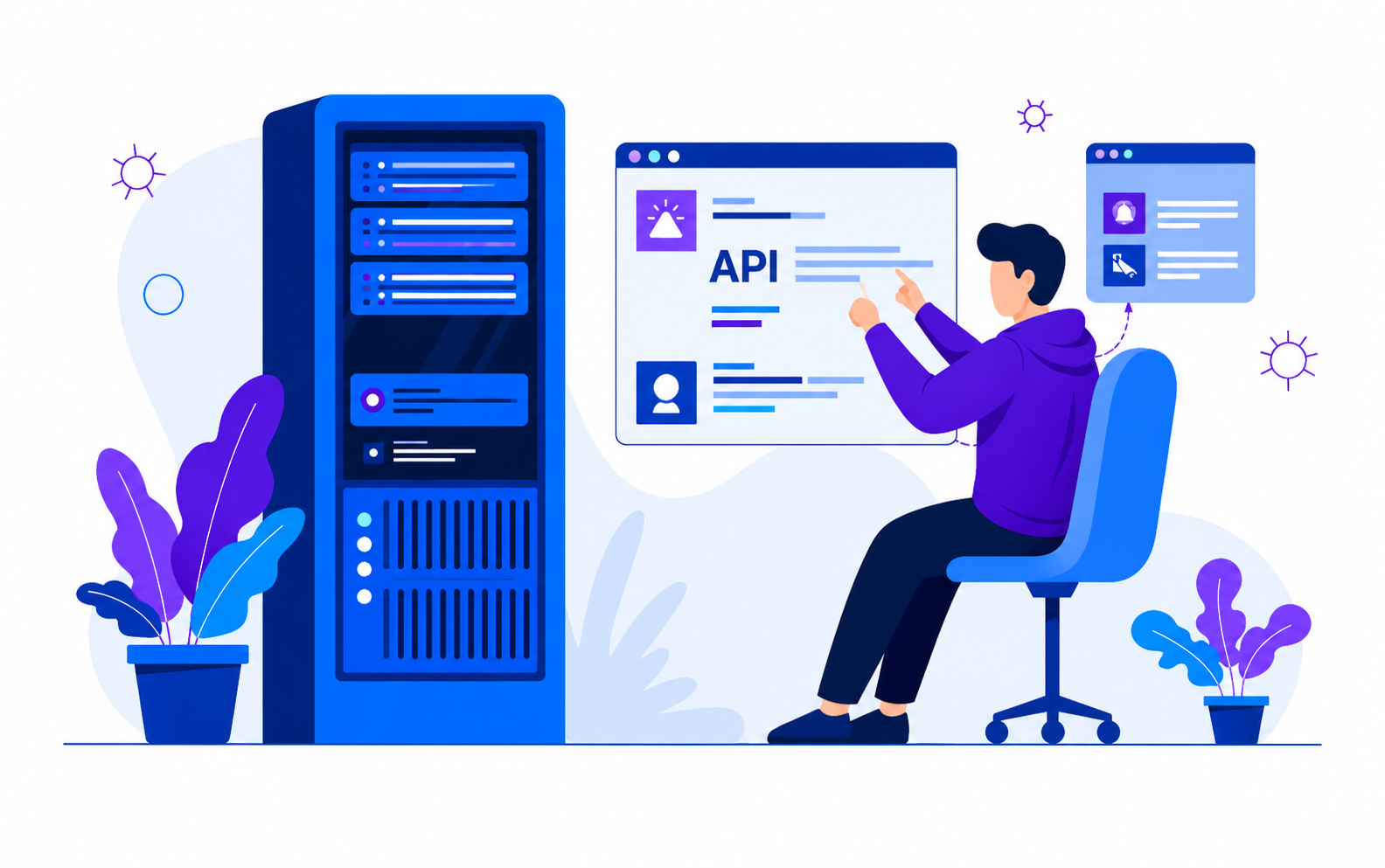
5. API and middleware readiness
Check whether existing integrations rely on native connectors, iPaaS tools (Zapier, Workato, Tray), or custom API work. This determines both implementation complexity and the technical depth you need from a HubSpot consulting services provider.
6. Governance and permissions model
Define who owns record creation, deduplication rules, and property edits before go-live, not after. Enterprises with multiple business units or regions especially need this settled early to avoid conflicting workflows.
7. Compliance and data residency requirements
Confirm any regulatory requirements (GDPR, CCPA, industry-specific rules) and data residency needs. Flag these to prospective partners upfront; not every partner has enterprise compliance experience.
8. Reporting and attribution requirements
Get alignment from sales, marketing, and finance on what "success" looks like in reporting before dashboards are built. Retrofitting attribution models after launch is expensive and disruptive.
9. Change management and internal training plan
Identify who will be trained, when, and by whom. Adoption, not configuration, is usually the real determinant of ROI on an enterprise CRM implementation.
10. Internal project sponsor and decision rights
Name a single internal owner with authority to make scope and timeline decisions. Partner-led projects slow down fastest when decisions require multiple committees to approve.
Using this checklist in partner conversations
Bring your answers to these ten items into initial partner discovery calls. A strong HubSpot enterprise implementation partner will ask about most of these anyway; showing up with answers already in hand shortens discovery, tightens the scope of work, and gives you a much more accurate quote and timeline from the start.
It also gives you a fair way to compare partners: the quality of the questions they ask back about your answers is often a better signal of expertise than their pitch deck.
Next steps
If several of these checks turn up gaps, that's normal; the point of the exercise is to surface them before they become mid-project surprises. Prioritise closing the data quality and governance gaps first, since those tend to have the largest downstream effect on HubSpot integration timelines and cost.
Want to chat more? Get in touch with us here.


Comments